

… Memory, Justice, and the New Diplomacy of Reparations
Across continents and centuries, the call for reparations gathers force, as history, memory, and moral urgency converge in a renewed global reckoning with slavery’s enduring legacy.
By David Edramoda
He stood with the stillness of a man who understood the weight of history pressing against the present. At the lectern of the United Nations General Assembly, John Dramani Mahama, the President of the Republic of Ghana, did not merely speak; he summoned centuries. His voice carried the cadence of conviction, sharpened by moral clarity and burnished by the long memory of a continent that has endured, resisted, and remembered. In that moment, the chamber was no longer just a forum of nations; it became a theatre of reckoning.
Mahama’s appeal was neither rhetorical flourish nor diplomatic ritual. It was an insistence that the world confront one of its most enduring silences. Reparations for the transatlantic slave trade, he argued, are not a matter of charity or political convenience. They are a moral imperative, deferred for far too long. His words drew from the moral vocabulary of history, invoking the refusal of neutrality in the face of injustice and the enduring belief that justice, though slow, is inexorable. Yet beneath the eloquence lay something more urgent: a demand that the past be acknowledged not as a distant tragedy, but as a living inheritance shaping the inequalities of the present.
The setting of his address was steeped in symbolism. March 25, commemorated globally as the International Day of Remembrance of the Victims of Slavery and the Transatlantic Slave Trade, is not merely a date on the calendar. It is an annual summons to memory. On that day in 2026, the symbolism deepened as Ghana, supported by the African Union and Caribbean states, advanced a resolution that would declare the transatlantic slave trade among the gravest crimes against humanity and call for reparatory justice.
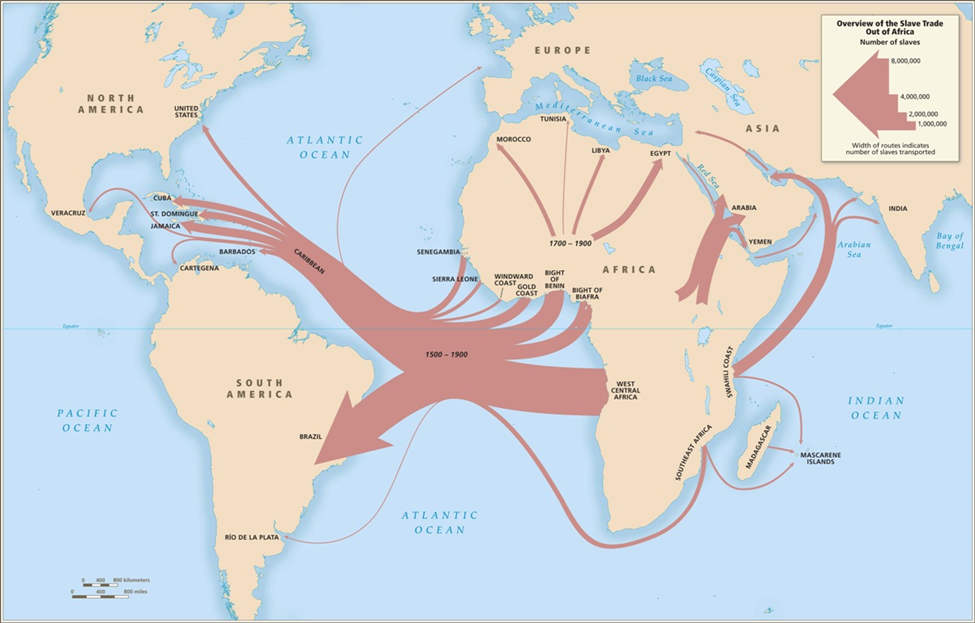
What unfolded was more than a diplomatic exercise. It was an intervention into the architecture of global memory. For centuries, the story of slavery has been told in fragments; acknowledged in principle, yet rarely confronted in its full moral and material implications. Mahama’s intervention sought to close that gap, to insist that remembrance without redress is an incomplete form of justice.
This was not the first time Africa had raised its voice in this register. Decades earlier, Moshood Kashimawo Olawale (M.K.O) Abiola had articulated a similar demand, arguing that the economic underdevelopment of Africa could not be disentangled from centuries of extraction and exploitation. He spoke of wealth built on unpaid labour, of global systems that had been shaped by the commodification of African bodies. Though his advocacy did not immediately alter global policy, it seeded an intellectual and political lineage; one that Mahama’s initiative now extends with renewed urgency.
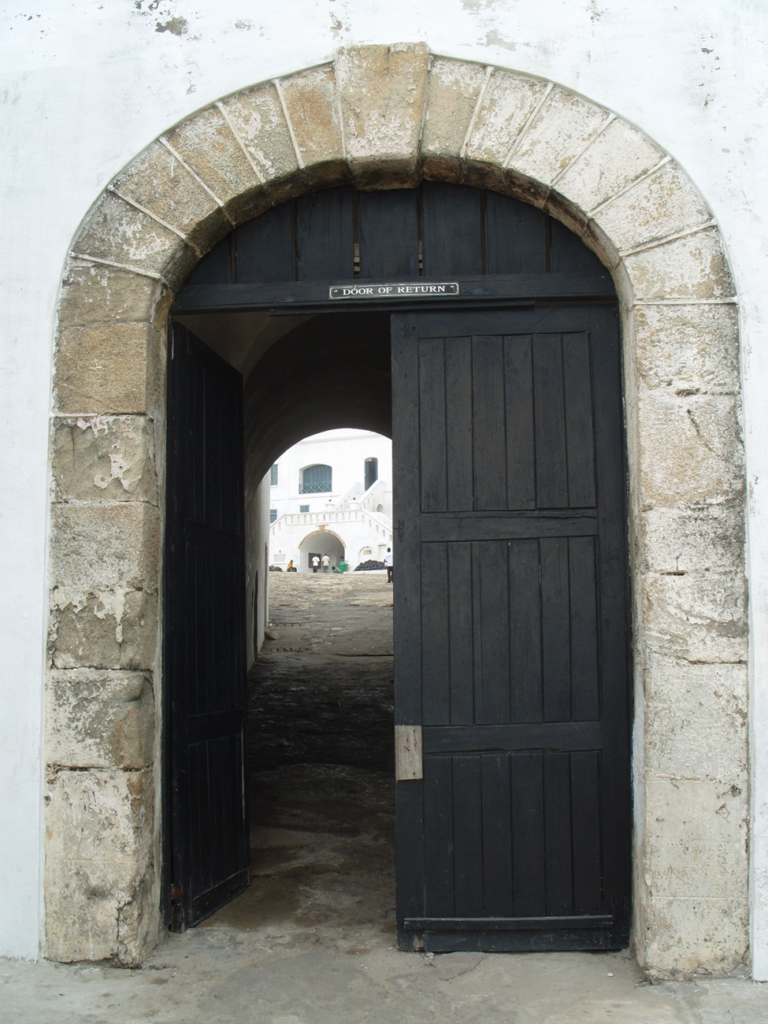
To understand why Ghana has assumed a leading role in this contemporary movement, one must look beyond the abstractions of policy and into the geography of memory. Along Ghana’s coastline stand the remnants of a world that once turned human lives into cargo. Elmina Castle, rising starkly against the Atlantic, is not merely an architectural relic; it is a testament carved in stone. Within its walls, the past is palpable. The dungeons, suffocating and lightless, bear silent witness to the suffering of those who were held there, awaiting a journey from which there would be no return.
Visitors who walk through its corridors often emerge altered. For members of the African diaspora, particularly those whose ancestors were taken across the ocean, the experience can be overwhelming. The “Door of No Return” is not just a historical marker; it is a threshold between identity and erasure, between belonging and dispossession. It is here, perhaps more than anywhere else, that the abstraction of history collapses into human reality.
Ghana’s leadership in the reparations discourse is thus rooted in more than political positioning. It emerges from a convergence of history, geography, and a deliberate effort to reconnect with the diaspora. Initiatives such as the “Year of Return” have transformed the country into a symbolic bridge, inviting descendants of the enslaved to reclaim a connection severed centuries ago. In doing so, Ghana has cultivated a global constituency for whom the question of reparations is not theoretical but deeply personal.
The vote at the United Nations revealed, with striking clarity, the enduring…