

A lot of newer homes especially those built for sale are designed for quick impact. Big living rooms. More bedrooms. Open-plan layouts that look good on inspection. But behind that is a simple calculation: maximize what sells! Unfortunately, the dining space doesn’t always make the cut.
Visiting with a friend recently and something felt off, it took a moment to realize what it was. There was no dining room.
Not hidden. Not combined cleverly. Just… absent.
Took me back to a couple of years ago, to a building I saw during a house hunt. This one, beautiful build. Clean finishes. Everything looked right, until I asked where the dining area was.
What they showed me felt more like a leftover space than somewhere anyone would actually sit and eat. It was a space tucked away under the stairs with barely enough head room.
The Afterthought Dining Space.
A lot of newer homes especially those built for sale are designed for quick impact. Big living rooms. More bedrooms. Open-plan layouts that look good on inspection.
But behind that is a simple calculation: maximize what sells! Unfortunately, the dining space doesn’t always make the cut.
So, it gets pushed into whatever space is left between the kitchen and the living room, with no real structure or intention. Just enough room to say it exists.
It works on a floor plan but not always in real life.
Because when a space is treated like an afterthought, people respond accordingly. They pass through it. They adapt around it. Eventually, they stop using it altogether.
At the same time, meals have become more informal, quicker, more distracted, and less tied to a specific place in the home.
People still eat together, but:
- on the couch, in front of the TV
- at kitchen counters
- in separate corners, with screens in between
This new dining trend needs to change.

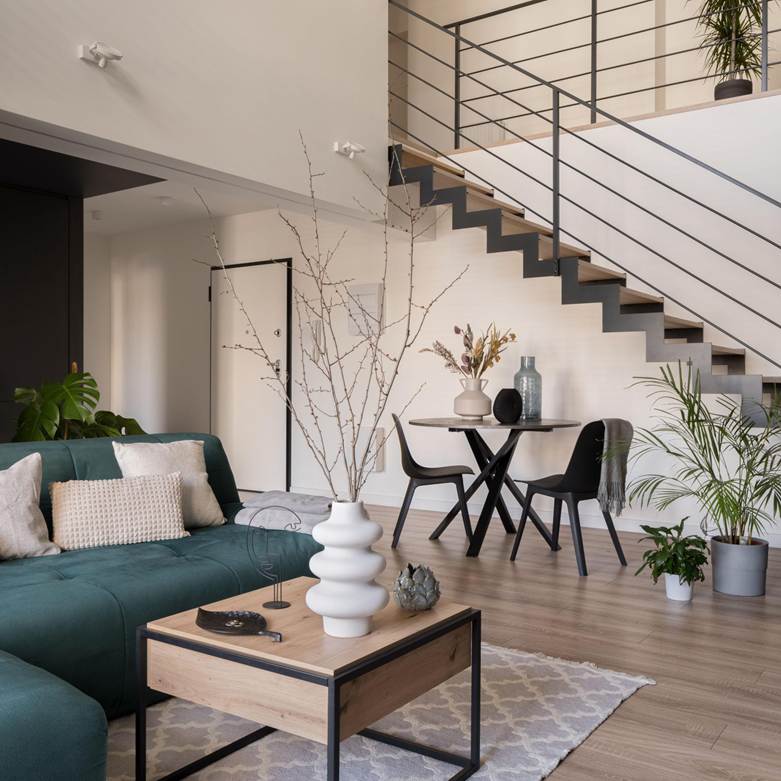
Make it Work
The issue isn’t always about space. It’s how the available space is used.
A dining area doesn’t need to be large, but it does need to be intentional.
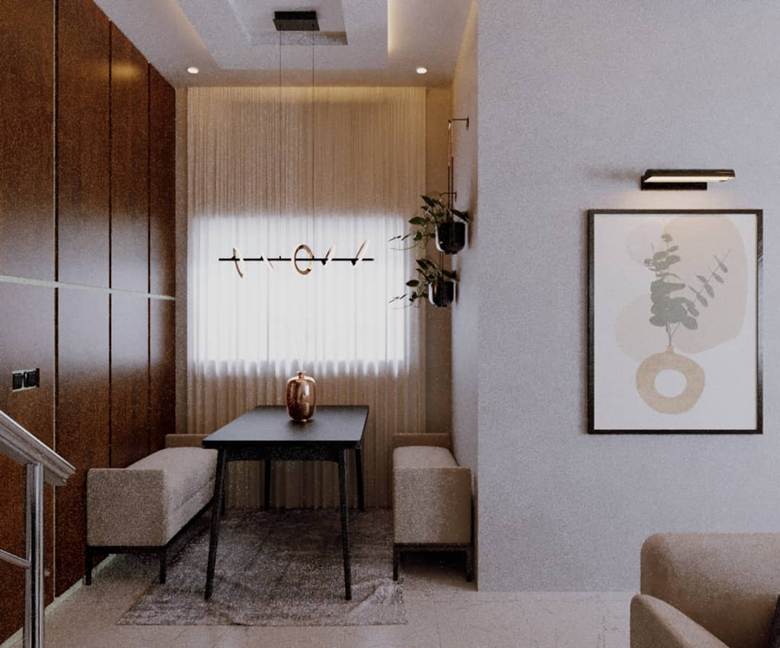
Define the space
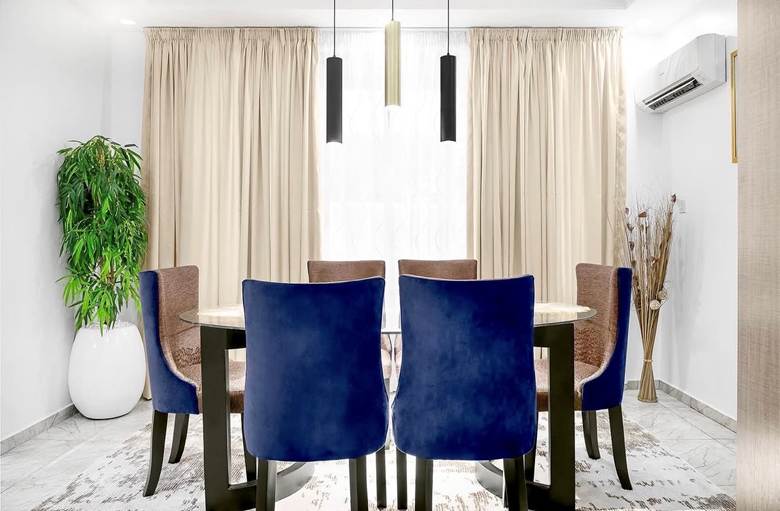
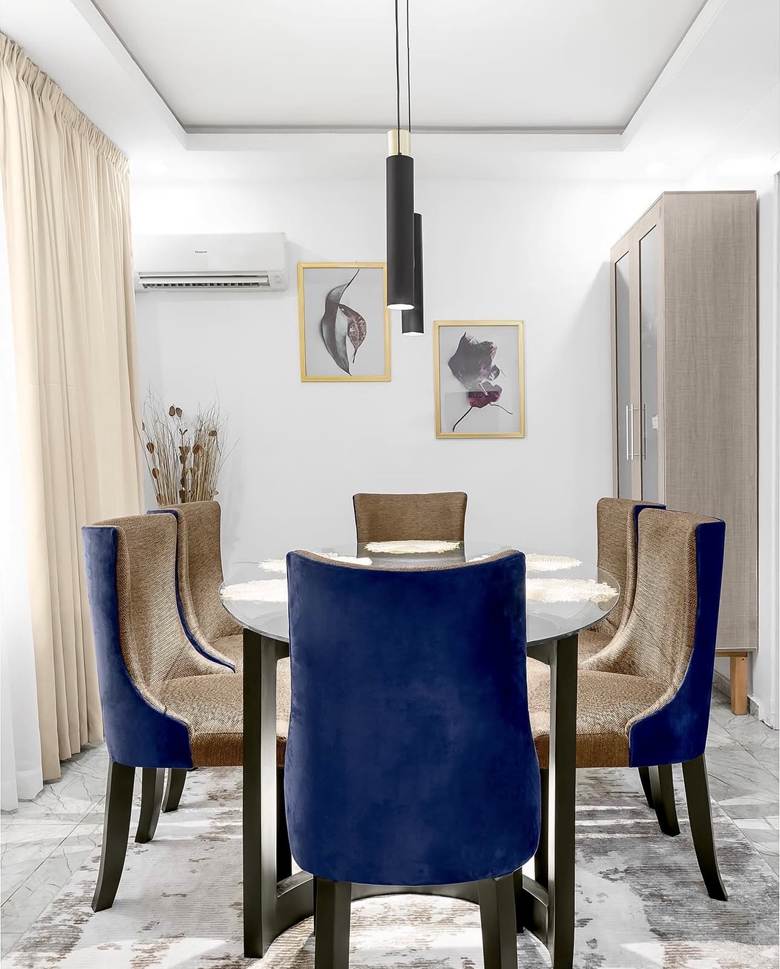
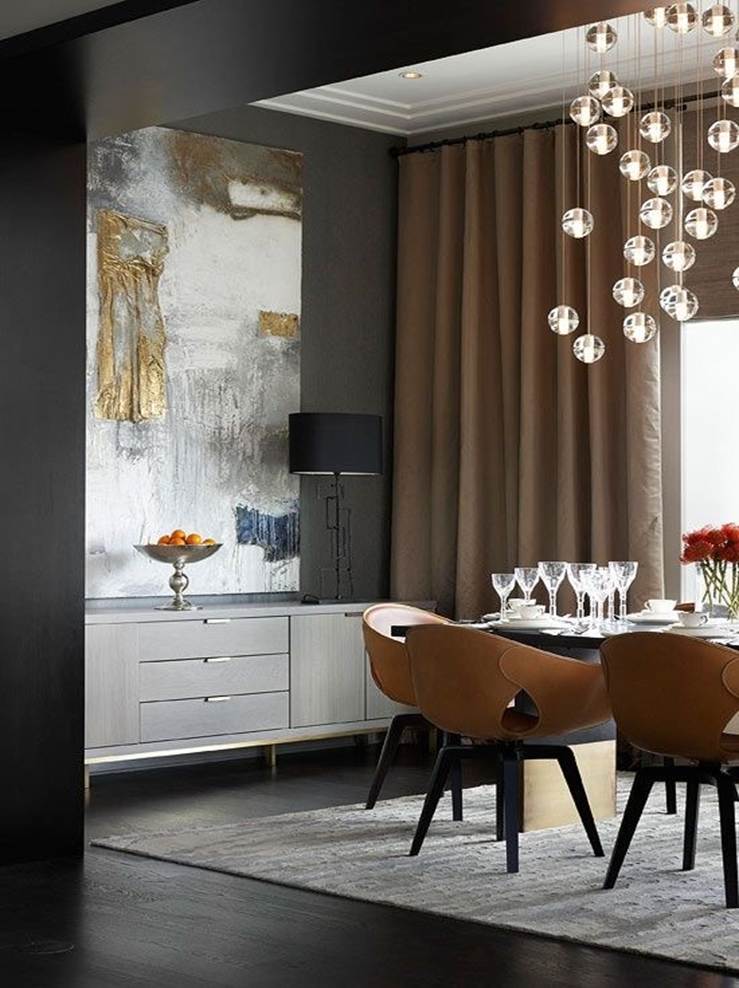
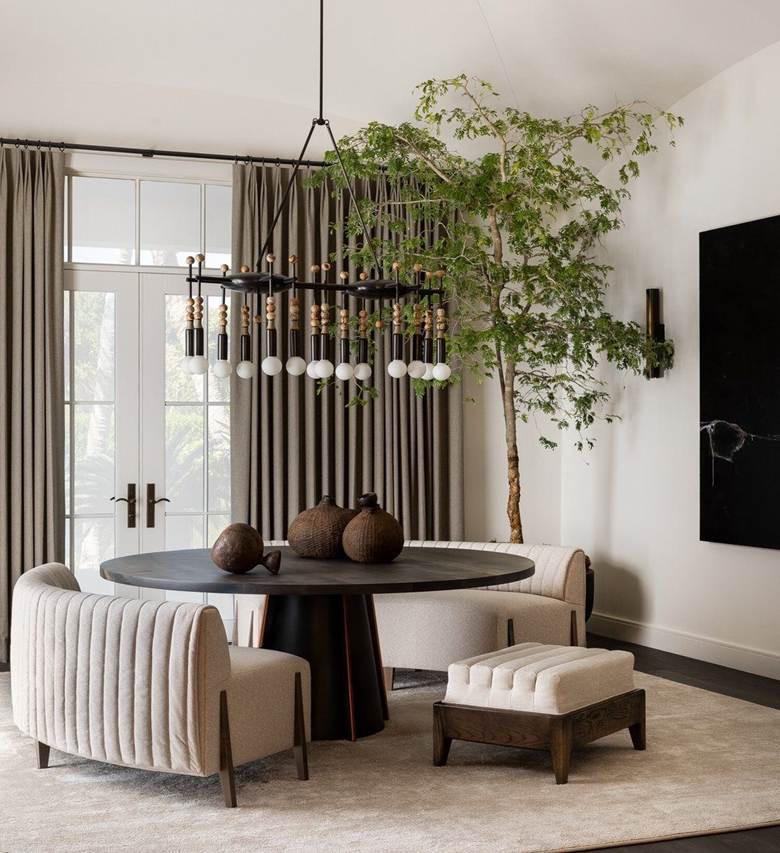
Even in an open plan, the dining area should feel a little more intentional. A rug, lighting, or the position of the table can anchor it. If it feels temporary, it will be treated that way
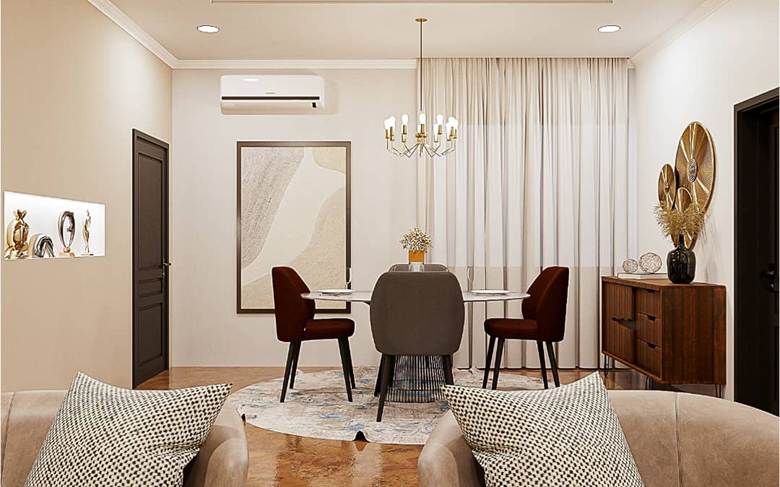
Fix the seating.
Is there enough space to move If chairs can’t pull out comfortably, that’s a fast track for people to avoid dining at the table altogether.
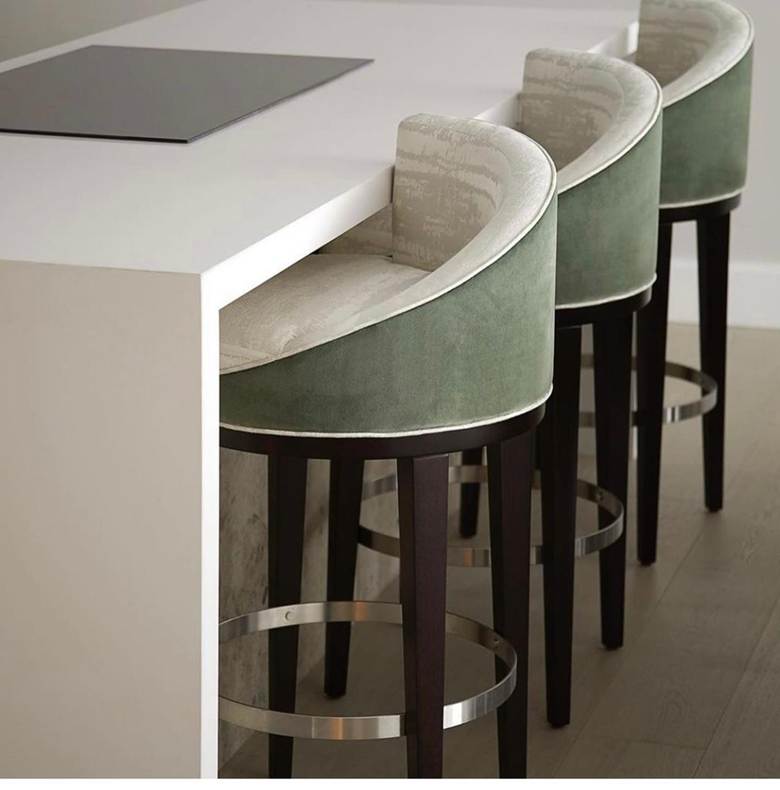
If the chairs are uncomfortable, again, people won’t stay. It’s that simple. Slightly padded or upholstered seating makes a difference.
Choose the right table shape
Round tables work better in tighter spaces and naturally encourage conversation. Rectangular tables need more room than most layouts allow.
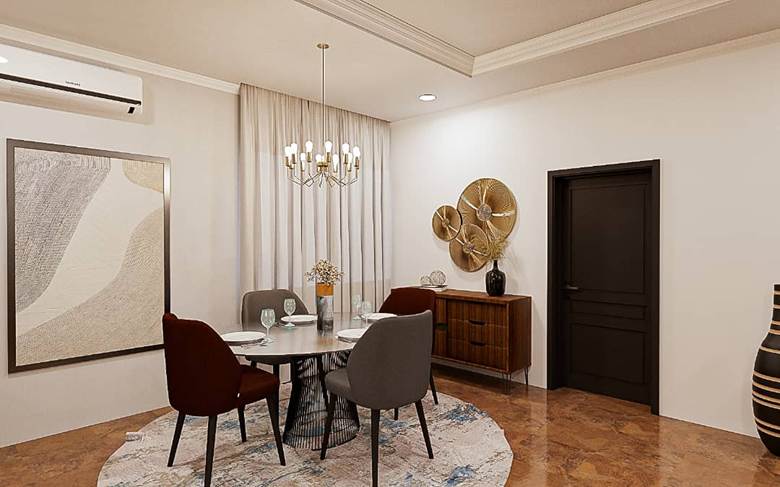
Get the lighting right
Whatever you choose pendant, chandelier, or ceiling fixture it should sit over the table and help define the space. Not as decoration, but as placement. That’s what makes the area feel like its own zone.
Reduce distractions
In an open plan room, it is essential to position the dining away from the Tv. There can only be on focal point, which should be the table. Layout matters here more than intention.
None of this is complicated. But when it’s done properly, the space gets used.
The Dining Table Guide
Working on property developments regularly, it is key to ensure that the end result of our projects is a dining space that is not necessarily bigger, but better planned, definitely not a “we will cross the bridge” when we get to it situation.
The following 3 guiding principles we apply while designing.
- Space Planning
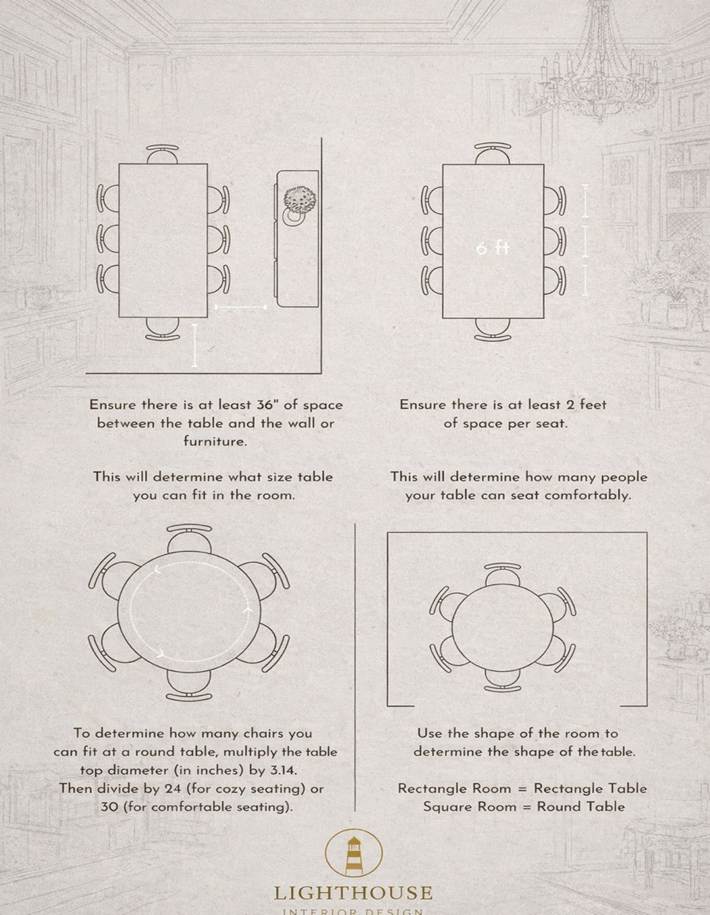
A dining area should be deliberately positioned as a primary space from the onset.
Its position must support natural movement through the space, with clear, uninterrupted circulation that allows the room to function as intended.
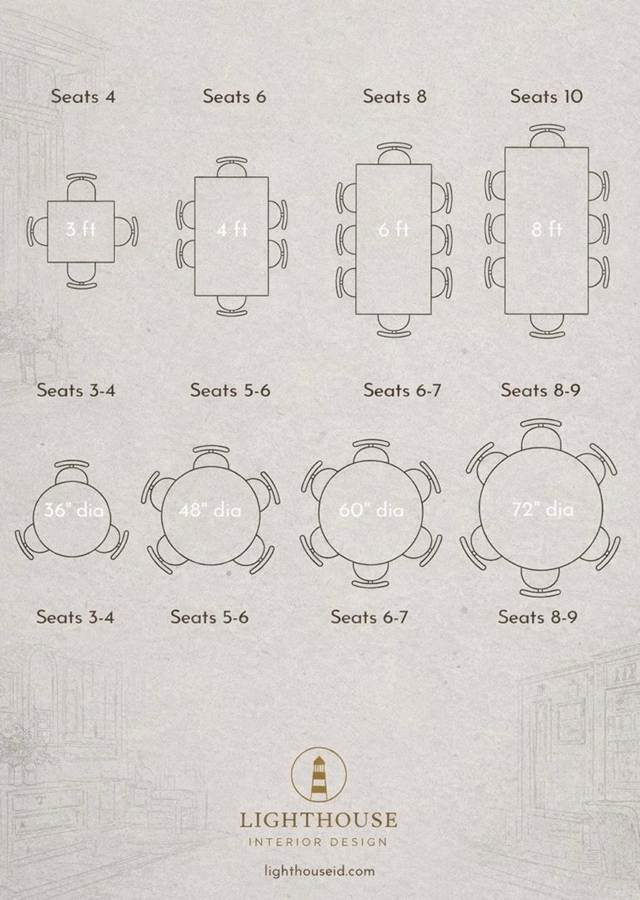
The table must be in proportion to the room.
An oversized piece overwhelms the layout; an undersized one diminishes it. The right scale brings balance and allows seating to feel natural, not negotiated.
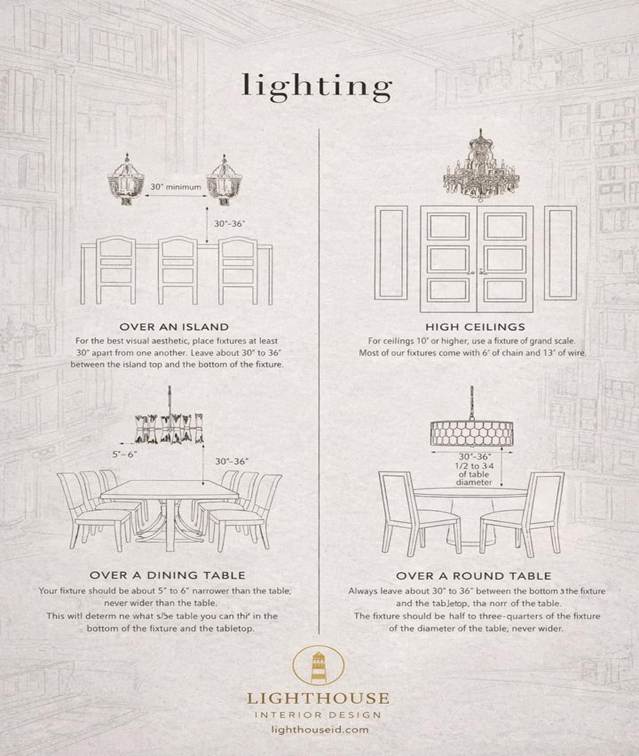
Lighting is what anchors the dining space.
It should be centered over the table and set at the correct height to define the zone with precision. Anything else reads as incidental rather than intentional.
In Closing
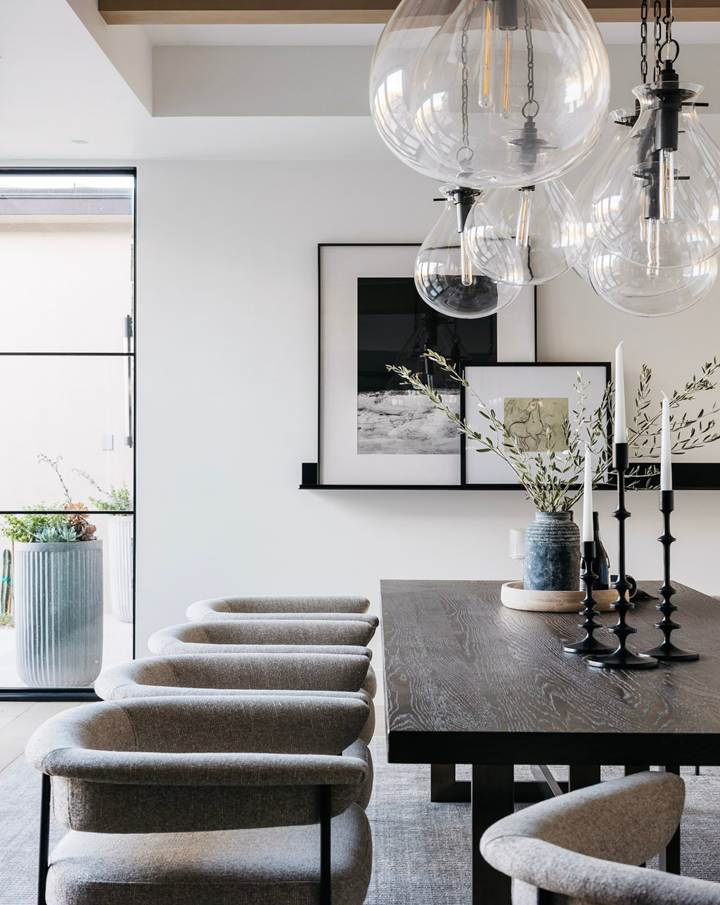
A well-designed dining space doesn’t need more square footage. It needs intention.
Because the way a home is planned quietly shapes how people live in it. When the dining area is clear, comfortable, and considered, people use it. Conversations last longer. Meals feel more deliberate. The space earns its place.
But when it’s squeezed in or treated as an afterthought, it slowly disappears from daily life, no matter how beautiful the rest of the home is.
So the…