
Beyond Makeup, Fashion and Skincare: Understanding the Human Desire for Beauty.
By Joyce Icheokolo
Beauty is often discussed in the language of products; foundations, fragrances, serums, lipsticks and trends. But beneath every beauty ritual lies something much deeper: emotion, identity, confidence, and the very human desire to be seen, accepted and valued.
Why do we spend time perfecting our appearance before a meeting? Why does a fresh haircut feel like a new beginning? Why do some people wear makeup as empowerment while others reject it entirely? The answers lie in psychology just as much as they do in aesthetics.
Beauty, in many ways, is emotional communication.
Beauty as Self-Expression
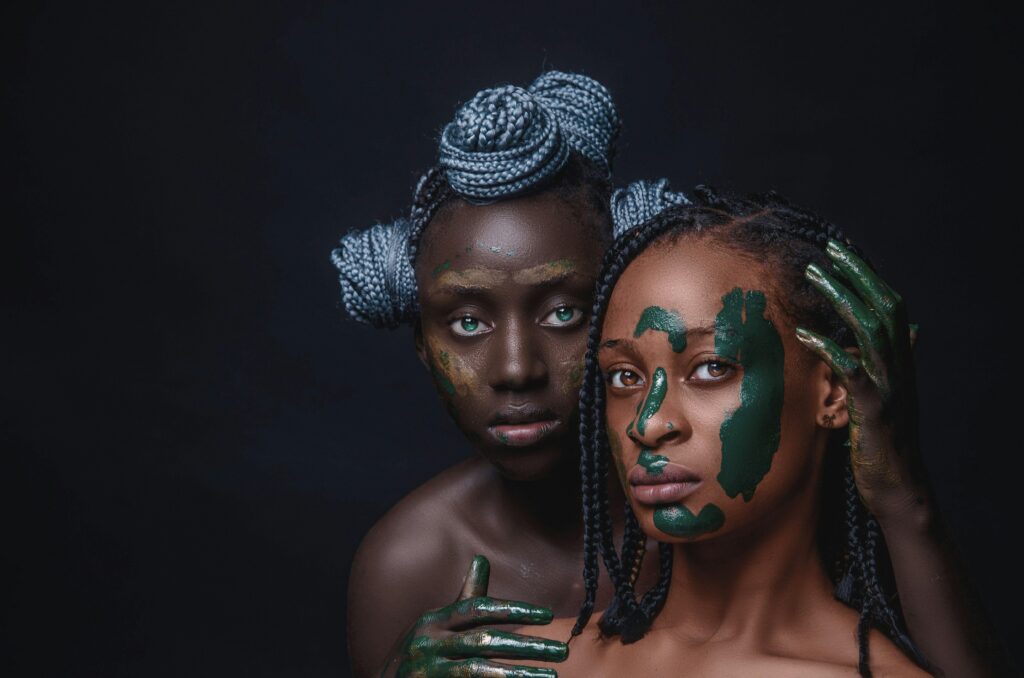
For centuries, beauty has served as a form of identity. From traditional tribal markings to modern makeup artistry, people have always used appearance to communicate something about themselves — culture, mood, personality, status or creativity.
Today, beauty routines are deeply personal. A bold red lip may symbolize confidence for one person, while a clean, makeup-free face may represent authenticity for another.
The rise of personalized beauty reflects a larger cultural shift: people are no longer interested only in looking beautiful; they want beauty to feel like them.
The Confidence Connection
There is a reason many people say they “feel better” after getting dressed up, styling their hair, or completing a skincare routine. Looking good often creates a psychological boost that affects mood, posture, communication and self-esteem.
Psychologists refer to this as the “halo effect” — the tendency for confidence in appearance to positively influence how we feel and interact socially.
This does not necessarily mean beauty creates worth. Rather, intentional self-care can reinforce a sense of confidence and preparedness.
Sometimes, beauty rituals are less about vanity and more about emotional readiness.
Social Media and the Pressure to Be Perfect
No conversation about beauty psychology is complete without addressing social media.
Platforms driven by filters, editing apps, and curated perfection have transformed beauty standards at unprecedented speed. Faces are constantly compared, trends move rapidly, and unrealistic expectations are often normalized.
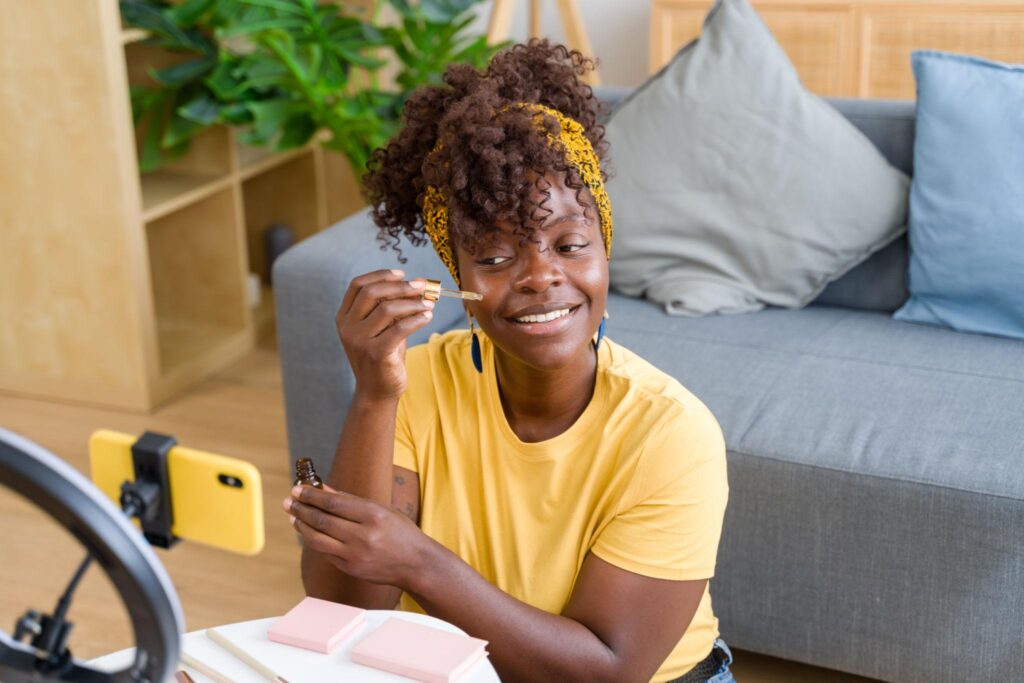
The result? Many people now experience “appearance fatigue”; the pressure to constantly improve, maintain, or alter how they look.
Ironically, the modern beauty conversation is shifting in response. Audiences are increasingly embracing natural skin textures, minimal makeup, authentic storytelling and inclusive representation, proving that beauty consumers are beginning to value relatability as much as perfection.
Beauty as Self-Care, Not Obligation
One of the most significant evolutions in modern beauty culture is the idea that beauty should feel nurturing rather than demanding.
For many people, skincare routines have become moments of calm. Hair appointments feel therapeutic. Fragrance becomes memory. Beauty routines now intersect with wellness in a way previous generations rarely discussed openly.
The healthiest relationship with beauty may be one rooted in choice — not pressure.
Not every beauty ritual needs to be performative. Sometimes, it is simply a quiet act of caring for oneself.
Redefining What Beauty Means
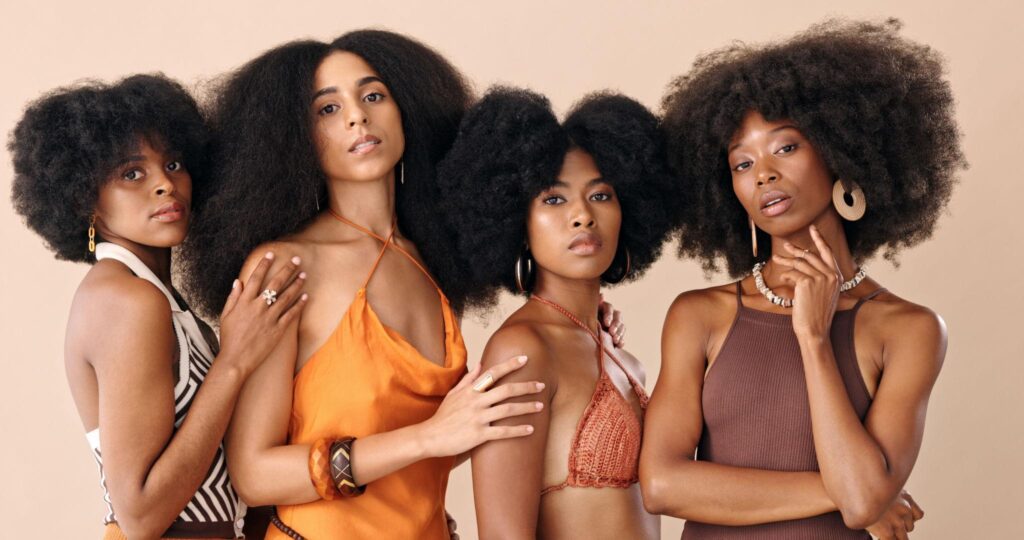
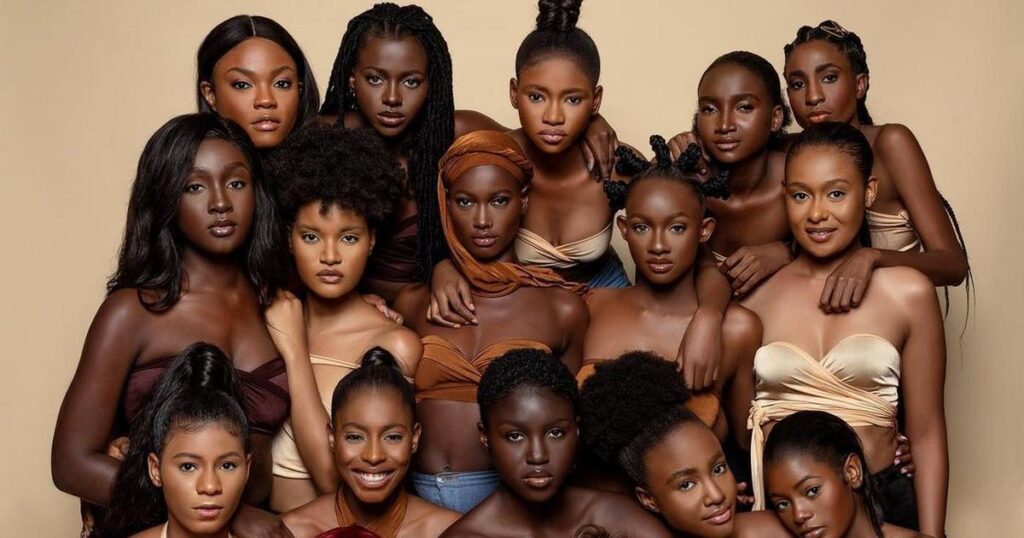
Beauty standards continue to evolve, but perhaps the most powerful transformation happening now is this: beauty is becoming more inclusive, more personal, and more human. The growing appreciation for different skin tones, natural hair textures, individual style over uniform trends is one that cannot be overstated.
The future of beauty may not be about fitting into a single ideal at all. It may be about understanding that confidence, authenticity and self-awareness are beautiful in themselves.
Final Thought
At its core, beauty is not just about appearance. It is about how people see themselves and how they wish to move through the world.
Sometimes beauty is glamour. Sometimes it is healing. Sometimes it is confidence after hardship. Sometimes it is simply the comfort of recognizing yourself in the mirror. And perhaps that is why beauty continues to matter, not because humans are obsessed with perfection, but because we are constantly searching for connection, identity, expression and confidence in the stories we tell about ourselves.