

In today’s demanding world, executive success is no longer measured solely by influence, wealth, or professional accomplishment. Increasingly, it is defined by stamina, clarity of thought, emotional resilience, and the ability to sustain peak performance without sacrificing personal wellbeing. Wellness has therefore evolved from a lifestyle indulgence into a strategic necessity.
By Olabisi Bamgbose (MD)

Modern executives operate under relentless pressure shaped by compressed schedules, international travel, digital overload, constant decision-making, and chronic stress. Over time, these demands quietly diminish cognitive sharpness, emotional balance, and physical vitality. In response, a more sophisticated philosophy of wellness has emerged, one that values restoration as seriously as productivity and recognizes that sustainable leadership requires intentional recovery.
Across the world, business leaders are embracing science-backed wellness practices focused on sleep, longevity, mindfulness, nutrition, fitness, and mental recovery. These are not temporary lifestyle trends, but practical strategies designed to improve long-term performance and quality of life.
1. Sleep Tourism
Restorative sleep has become one of the most valuable commodities in executive wellness. For professionals navigating demanding schedules, jet lag, and chronic fatigue, sleep tourism is emerging as a transformative solution.
Luxury wellness resorts now offer specialized sleep programmes built around neuroscience and behavioural therapy. Rooms are equipped with circadian lighting systems, soundproofing, aromatherapy, air purification technology, and temperature regulation designed to optimize deep sleep. Many facilities also provide biometric tracking, guided meditation, sleep coaching, and nutritional support aimed at restoring healthy sleep cycles.
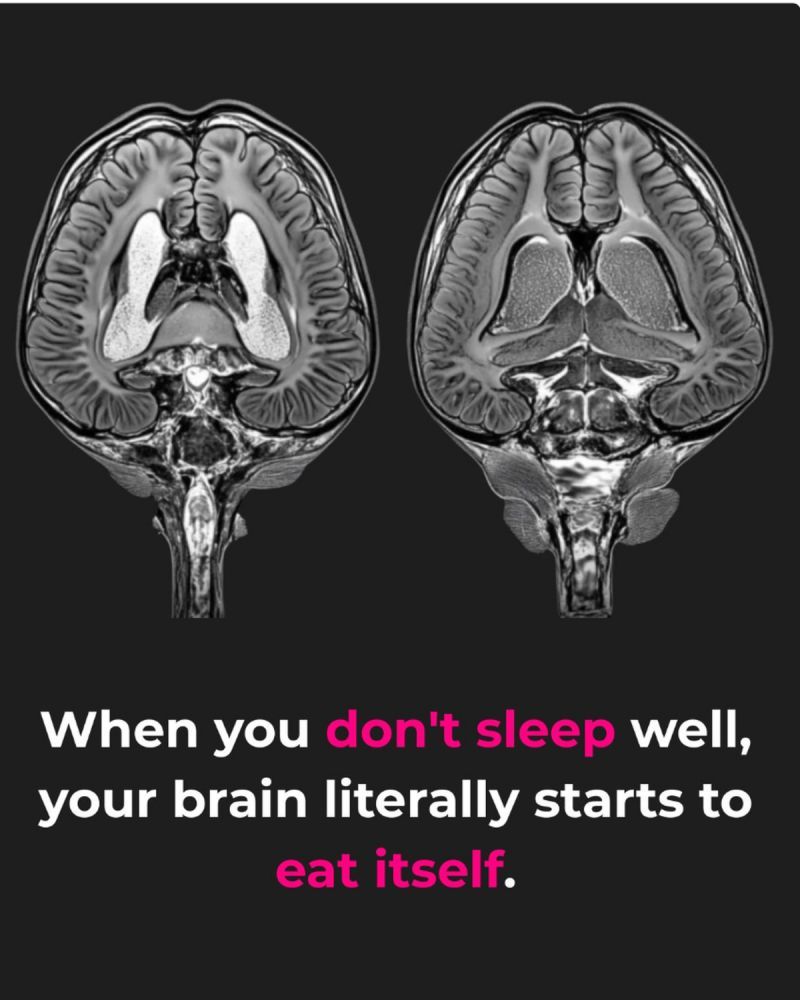
The popularity of sleep tourism reflects growing awareness of the consequences of sleep deprivation. Poor sleep impairs memory, concentration, emotional regulation, immunity, and strategic thinking while increasing stress and anxiety.

Executives are therefore beginning to treat sleep with the same seriousness once reserved for financial planning or corporate strategy. The outdated culture that glorified exhaustion is gradually fading, replaced by the understanding that deep recovery enhances performance.
A well-rested executive thinks more clearly, communicates more effectively, and sustains energy with greater consistency. In an age obsessed with productivity, the ability to rest deeply has become one of the most refined forms of modern luxury.
2. Longevity Clinics and Preventive Diagnostics
Preventive wellness is rapidly replacing reactive medicine among global executives. Increasingly, business leaders are investing in longevity clinics and advanced diagnostics designed not merely to treat illness, but to optimize vitality and slow the effects of ageing.
Modern longevity centres offer extensive health assessments examining cardiovascular function, metabolic efficiency, hormonal balance, inflammation levels, sleep quality, genetic predispositions, gut health, and cognitive performance. These insights allow executives to build personalized health strategies tailored to their biological needs.
Rather than waiting for symptoms to appear, longevity medicine emphasizes early intervention. Minor imbalances such as elevated cortisol, insulin resistance, chronic inflammation, or nutrient deficiencies are identified before developing into serious medical conditions.
Advanced therapies now include intravenous nutrient infusions, red-light therapy, hyperbaric oxygen therapy, regenerative medicine, hormone optimization, and precision nutrition. Yet the sophistication of longevity culture lies not merely in expensive technology, but in its emphasis on disciplined living.
Executives are becoming increasingly intentional about sleep, hydration, nutrition, stress management, and alcohol consumption. Wellness is no longer viewed as separate from professional success; it is now recognized as essential to sustaining it.
For many professionals, longevity clinics also provide something increasingly rare: uninterrupted attention to personal wellbeing. Removed from corporate urgency, individuals gain the opportunity to reconnect with their physical health and confront the long-term effects of years spent operating under pressure.

3. Digital Detox Retreats
Hyperconnectivity has become one of the defining stresses of executive life. Endless emails, virtual meetings, social media engagement, and constant notifications have created a culture…