

Battle-tested soldiers, however stone-faced, have their moments of pleasure; whether in wine, companionship, or the communal abandon of festivals. So it is with Ibadan, which marked its day on 18 April 2026.
By David Edremoda
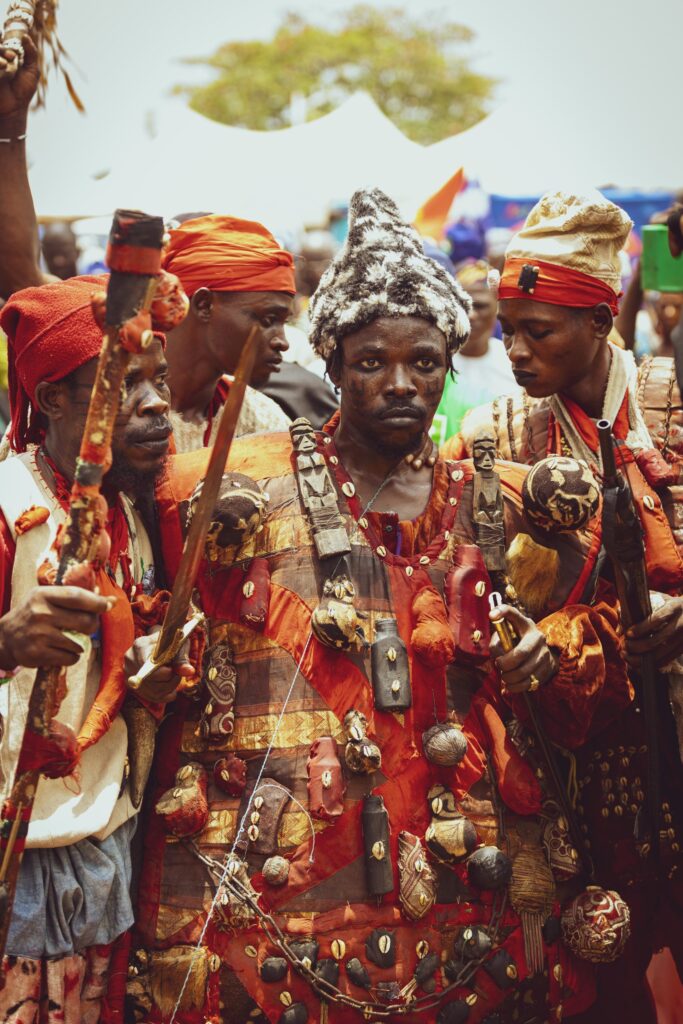
There are moments when a city reveals itself not through its monuments or its history books, but through spectacle; through colour, movement, and the quiet authority of tradition made visible. Ibadan, on its day of celebration, is such a revelation. To the attentive eye, the festival’s visual poetry recalls nature’s most arresting displays: the sudden lift of a cricket in flight, unexpectedly radiant, or the deliberate splendour of a peacock unfurling its train. What appears at first as a single hue resolves, upon closer attention, into a layered brilliance; emerald yielding to sapphire, burnished gold catching the sun, turquoise flickering at the edges.
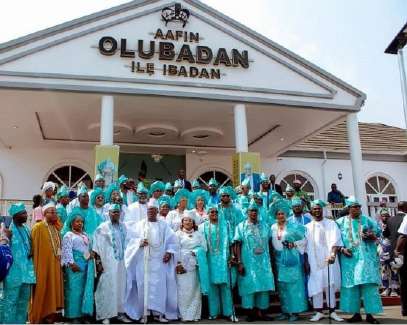
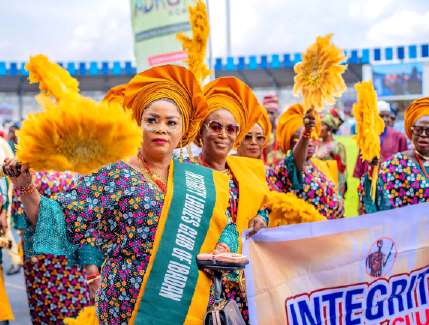
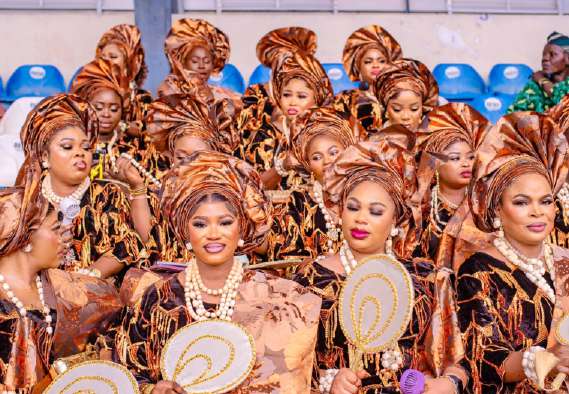
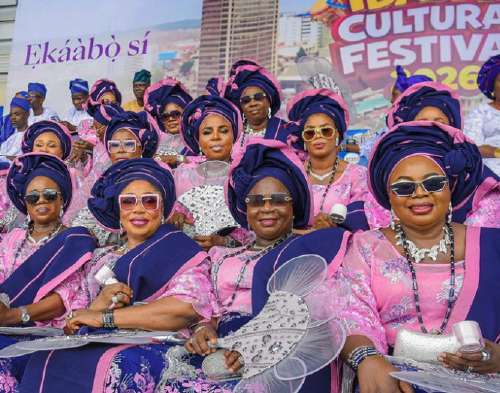
So it was on that April day, beneath a generous sky, as sons and daughters of Ibadan gathered in a choreography of fabric and form. Their garments; carefully chosen, richly textured, held a subtle sheen, like polished wood, absorbing and reflecting light in equal measure. The effect was not ostentation but depth: colour as memory, attire as identity. Ibadan announced itself not with a single voice, but with a thousand shimmering variations.
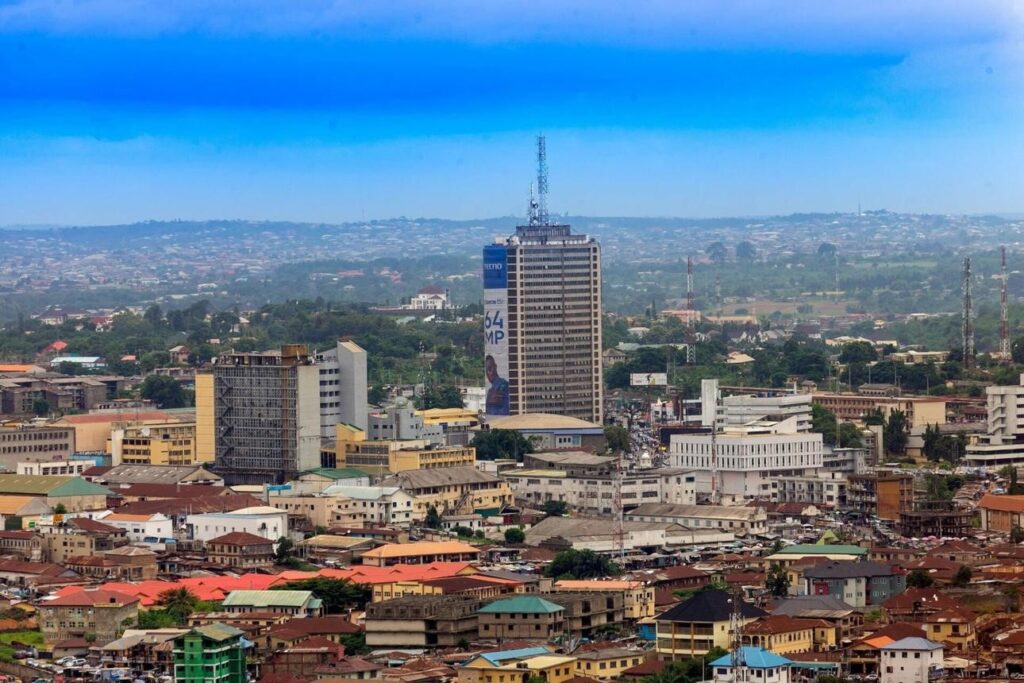
To understand the emotional charge of this gathering, one must first understand the city itself. Ibadan is a study in contrasts, a place where eras coexist rather than compete. In Dugbe, the outlines of modern commerce assert themselves, anchored by landmarks that speak of mid-century ambition. Elsewhere, in Bere and Oje, the city retreats into older rhythms: narrow streets, earthen walls, and the quiet persistence of traditional architecture. It is a landscape that once inspired a poet to describe it as a “running splash of rust and gold,” scattered across seven hills like fragments of sunlit pottery. The description endures because it captures something essential: Ibadan is not polished into uniformity; it is gloriously, defiantly textured.
Each year, the city pauses; not in stillness, but in remembrance. Ibadan Day, the culmination of a broader cultural festival, is less a break from daily life than an intensification of it. In 2026, that intensification reached a kind of crescendo. What unfolded was not merely an event, but a narrative; one that braided together history, identity, and aspiration.
Founded in the turbulence of the early nineteenth century as a war camp, Ibadan evolved into a formidable political and military power, and later into one of West Africa’s largest indigenous urban centres. Its past is not an abstraction; it is embedded in its geography, its hierarchies, its collective memory. Ibadan Day compresses that long arc of history into a series of lived moments, inviting both participants and observers to inhabit the continuum of past and present.
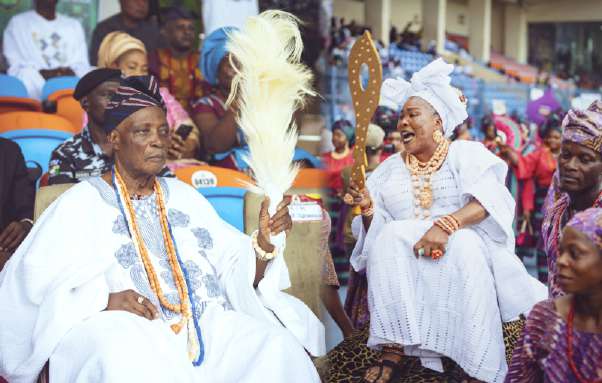
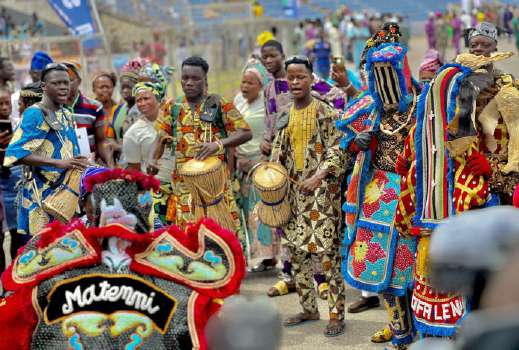
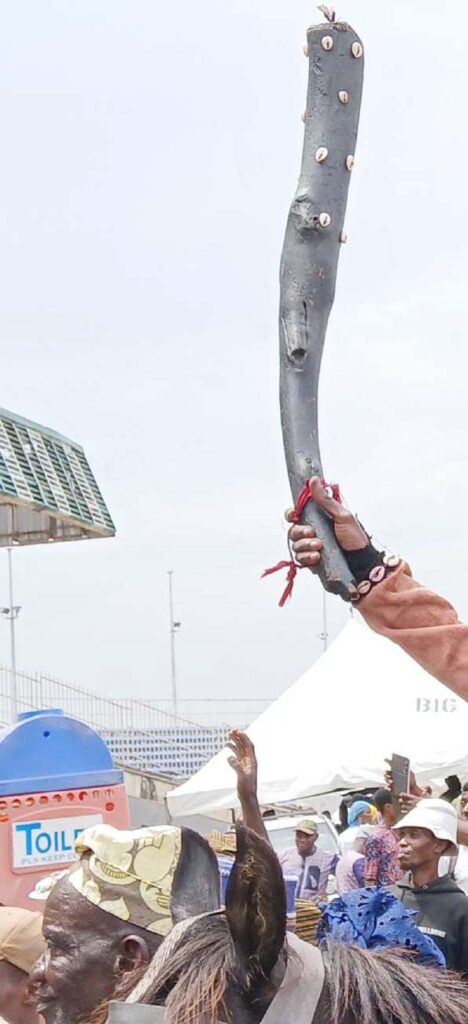
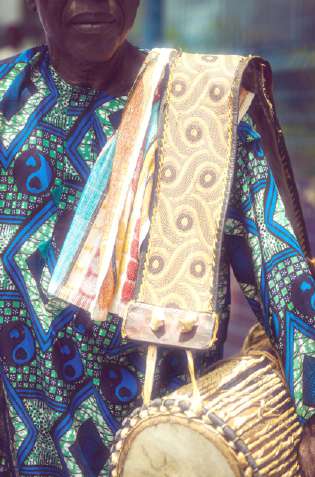
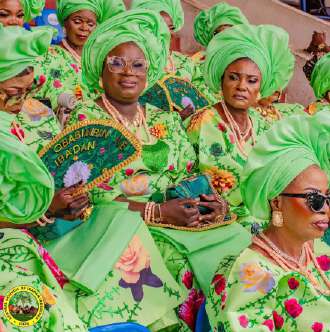

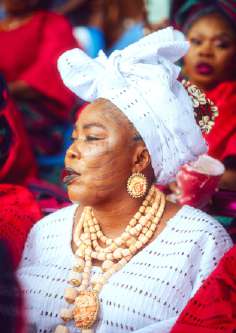
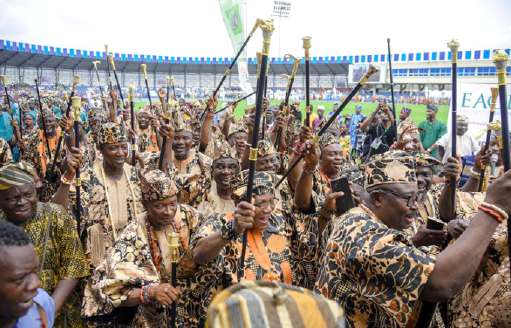
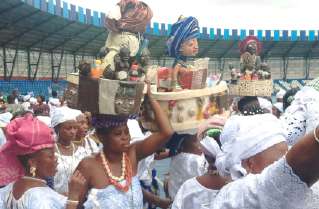
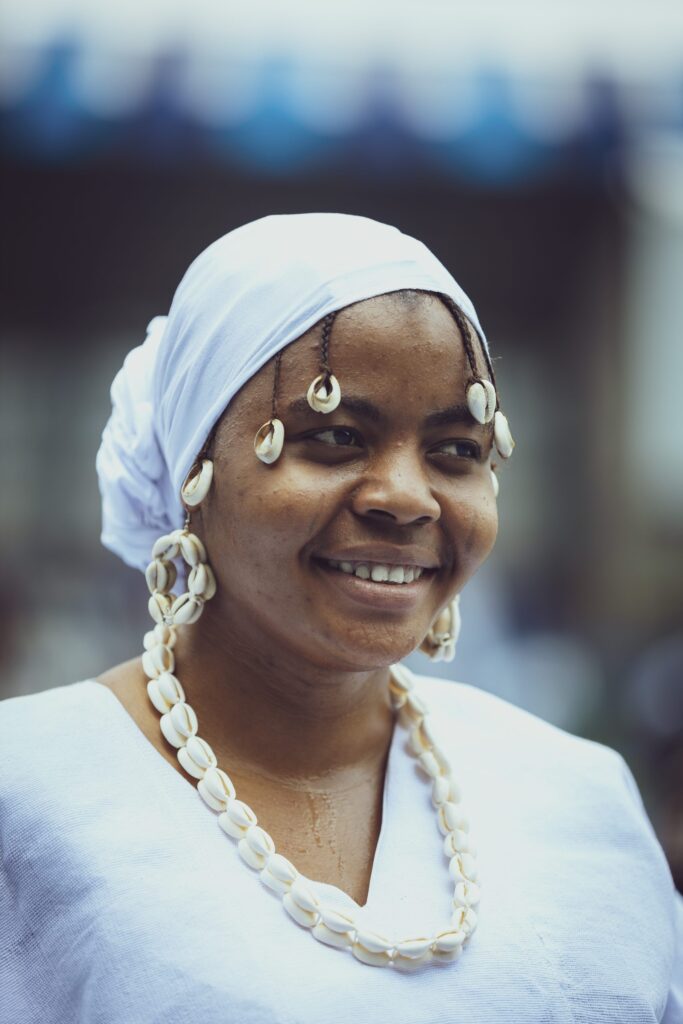
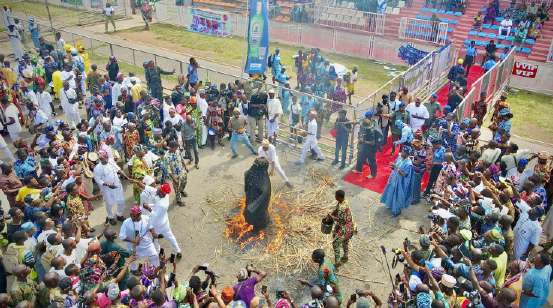
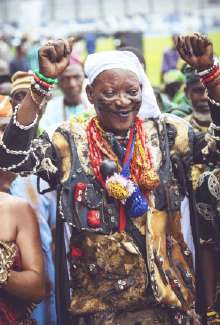
The 2026 celebration extended over nearly two weeks, transforming the city into a living theatre. There were conferences that interrogated Ibadan’s intellectual and historical legacy, community initiatives that reaffirmed its social bonds, and youth-driven programmes that hinted at its future. By the time the grand finale arrived on 18 April, the city had already been primed: its energies aligned, its narratives in motion.
From the early hours of that morning, the flow of people towards the stadium was steady and purposeful. Families, dignitaries, visitors, and returnees from the diaspora converged with a shared sense of occasion. The venue itself became a kind of cultural amphitheatre, where tradition was not displayed as a relic but enacted as a living practice.
Central to the day’s symbolism was the presence of traditional authority alongside modern governance. The Olubadan, custodian of the city’s heritage, His Royal Majesty, Oba Rashidi Adewolu Ladoja, arrived to the resonant pulse of talking drums, his entrance marked by a ceremonial gravity that spoke of continuity. Chiefs, robed in flowing agbada, paid homage in gestures refined over generations. Nearby, representatives of government underscored another dimension of Ibadan’s identity: its capacity to negotiate between inherited structures and contemporary realities.
Yet it was in the collective participation of ordinary citizens that the festival found its fullest expression. One of the most compelling sights was the procession of family compounds, each led by its mogaji, each group clad in coordinated aso-ebi that told stories of lineage and belonging. These were not merely fashion…