

This year, football will conquer a continent. Stretching across Canada, Mexico, and the United States, the FIFA World Cup promises dazzling cities, roaring stadiums, cultural spectacle, and unforgettable journeys. With forty-eight nations and one hundred and four matches, this historic tournament will become far more than sport; it will be the defining global celebration of travel, passion, and humanity.
By Candice Eze

In the summer of 2026, football will unfurl across a continent with the scale and drama of an epic novel. From the volcanic altitude of Mexico City to the glittering skyline of New York New Jersey, the FIFA World Cup will become not merely a tournament, but a sweeping cultural procession through North America’s grandest landscapes and most magnetic cities. Expanded to forty-eight nations and one hundred and four matches, this edition promises unprecedented spectacle, movement, colour, and emotion. For travellers, it offers far more than football. It is a season of architecture, cuisine, music, migration, storytelling, and shared humanity unfolding beneath one vast sporting celebration.

1. A World Cup Spanning Three Nations
The 2026 tournament will be the first FIFA World Cup staged across three host nations, transforming Canada, Mexico, and the United States into a single vast theatre of football. The arrangement creates an experience unlike any previous edition, where supporters may begin their journey amid Mexico City’s colonial grandeur, continue through the cosmopolitan avenues of Toronto, and conclude beneath the electric skyline of New York New Jersey. Every border crossed will reveal a different rhythm, language, flavour, and architectural mood, yet the emotional pulse of the competition will remain gloriously constant. The scale alone is astonishing: sixteen host cities spread across thousands of kilometres, connected by modern aviation, high-speed transport corridors, and an atmosphere of continental celebration. For international travellers, this World Cup will feel less like attending a tournament and more like traversing an enormous cultural atlas, stitched together by football’s universal vocabulary of hope, rivalry, and joy.
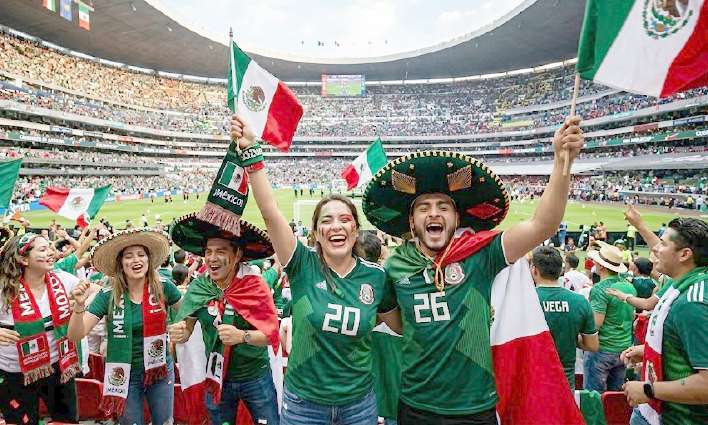
2. The Opening Ceremony in Mexico City
The tournament begins on June 11, 2026, in Mexico City, one of the most historically layered capitals on earth. Few places could provide a more dramatic overture. Suspended high above sea level and framed by distant volcanic silhouettes, the city possesses an intensity that magnifies every emotion. Streets pulse with mariachi melodies, fragrant markets, murals of revolution, and a culinary tradition celebrated globally for its depth and sophistication. The opening match will therefore unfold within an atmosphere already charged by history and artistic energy. Supporters arriving early will discover grand boulevards beside ancient Aztec foundations, elegant museums beside chaotic plazas alive with music until dawn. Football in Mexico is never merely sport; it is inheritance, identity, and theatre. As the first whistle sounds, the world will witness not only the commencement of a tournament, but the ceremonial opening of a continent-wide celebration infused with extraordinary warmth and passion.
3. A Historic Expansion to Forty-Eight Teams
For the first time, the FIFA World Cup will feature forty-eight competing nations, dramatically widening the tournament’s emotional and geographical reach. The expansion introduces new footballing cultures, unfamiliar anthems, emerging stars, and countries whose supporters have waited generations to appear upon this stage. Smaller football nations will no longer arrive as decorative participants but as legitimate dreamers capable of unsettling the established order. This broader field promises richer unpredictability throughout the group phase, where every city may suddenly become the temporary capital of an unexpected football fairy tale. For spectators, the diversity will be intoxicating. One evening may belong to Latin American rhythm and flair, another to disciplined European precision, followed by the exuberant rise of African or Asian contenders. The tournament’s enlarged format also deepens its human dimension, allowing millions more supporters to see their identities reflected within football’s grandest global gathering and shared emotional spectacle.
4. The Extraordinary Diversity of Host Cities
The host cities themselves may become among the tournament’s greatest attractions. Each destination offers a sharply distinct atmosphere, inviting travellers to experience North America through…